A matron of honor is a married woman who serves as the bride’s chief attendant — the lead of the wedding party. The only thing that sets her apart from a maid of honor is one detail: she’s married. Same honor, same duties, different title. Here’s the full picture I give the brides I work with when they ask me this exact question.
Definition
Matron of honor — a married woman who serves as the bride’s principal attendant at a wedding, leading the wedding party and supporting the bride before and during the day.
The short answer
The word comes down to marital status, and nothing else. “Matron” means a married woman; “maid” means an unmarried one. Both are old-fashioned terms that stuck around in wedding language long after they fell out of everyday use. Merriam-Webster defines a matron of honor as a bride’s principal married wedding attendant, and the major dictionaries all land in the same place: married woman, chief attendant, top spot in the lineup.
In my planning experience, the title trips people up far more than the job does. The matron of honor stands closest to the bride during the ceremony, usually holds the bouquet when it’s time for the vows, and is often one of the two witnesses who sign the marriage license. She’s also the one the bride leans on most in the weeks leading up to the wedding — the person who answers the 11pm “is this normal?” texts. The marital-status label doesn’t change a single one of those responsibilities.
One thing worth saying plainly: there is no rule that a bride must have a matron of honor at all. Plenty of the weddings I’ve planned have a single honor attendant, two, or none. The title exists to describe a role — it isn’t a box you’re required to check.
Matron of honor vs. maid of honor: what’s actually different
This is the question behind the question, so let me be direct: the difference between a matron of honor and a maid of honor (MOH) is marital status, full stop. A married honor attendant is a matron; an unmarried one is a maid. The duties, the seniority, the importance to the bride — all identical.
I’ve had brides agonize over this, worried they were “demoting” a friend by calling her a matron instead of a maid. You’re not. The role carries the same weight either way. If you want the side-by-side, I broke the two roles down in detail in my guide to matron of honor vs. maid of honor, and if your honor attendant is unmarried, my full breakdown of what a maid of honor is covers the same ground from her side.
What a matron of honor actually does
The duties don’t shift based on whether she’s married — they’re the standard honor-attendant responsibilities. Here’s what I typically see a matron of honor take on:
- Leads the bridesmaids. She’s the point person who keeps the rest of the wedding party organized, on schedule, and answering their texts.
- Helps host pre-wedding events. The bridal shower and the bachelorette party usually run through her, often with the other bridesmaids pitching in.
- Goes to dress fittings and appointments. She’s a sounding board for the gown, the bridesmaid dresses, and the hundred small decisions in between.
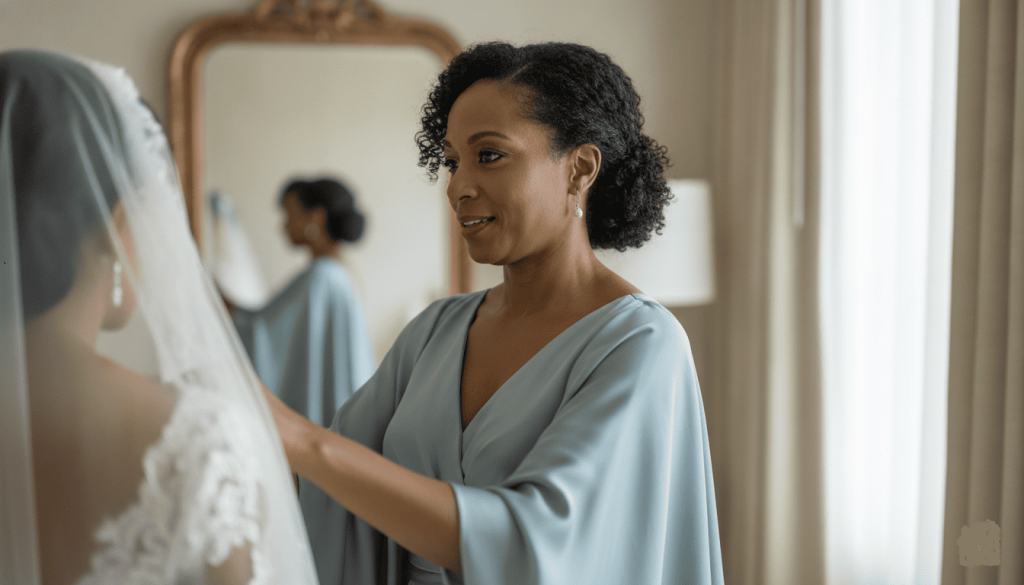
- Handles day-of logistics. Helping the bride get dressed, keeping the emergency kit (safety pins, blotting papers, a backup lipstick), holding the bouquet during the ceremony, and managing the train and veil.
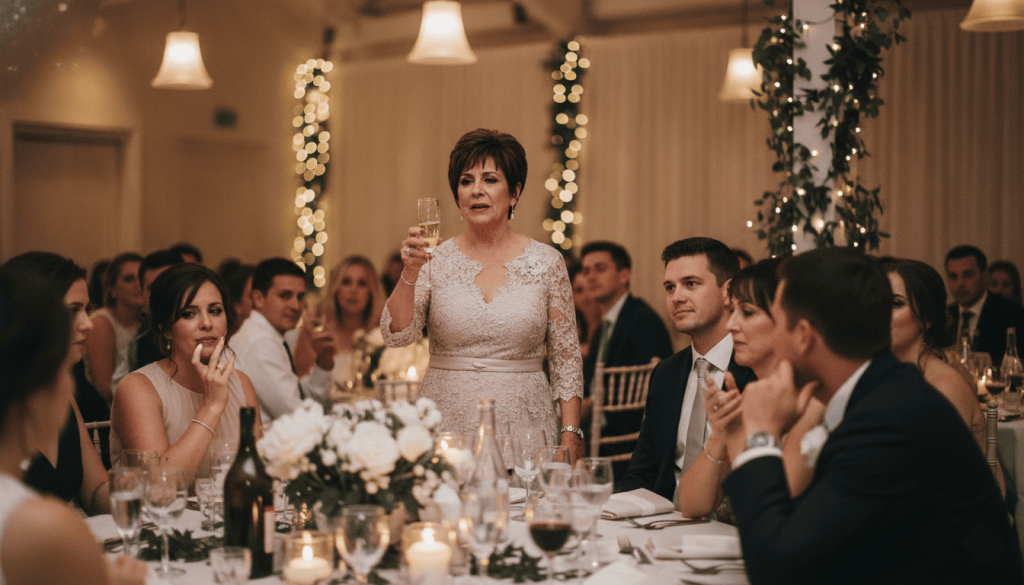
- Gives a toast. Not mandatory, but a matron of honor speech at the reception is one of the most common expectations of the role.
- Often signs as a witness. In many states, the honor attendant is one of the two people who sign the marriage license.
If she’s hosting the shower, she’s usually also coordinating the gift logistics for it — I keep a running list of ideas in my guide to bridal shower gifts that I send to honor attendants who ask.
Madison’s note
“The biggest favor a bride can do her matron of honor is write the role down. I hand my brides a one-page sheet listing exactly what they’re hoping their honor attendant will cover — shower, day-of kit, speech, license signing. Half the wedding-party friction I’ve watched happen came from someone assuming a duty was ‘obvious’ when it never actually got said out loud.”
— Madison Cole, Certified Wedding Planner
Can you have both a matron of honor and a maid of honor?
Yes — and it’s one of the most common questions I get. You can absolutely name both. I see it most often when a bride wants her married sister and her unmarried best friend standing beside her, and she refuses to choose between them. There’s no etiquette violation here; it’s a practical, modern setup.
When a bride has both, the two simply split the honor-attendant duties. Treat it like a partnership: decide ahead of time who holds the bouquet, who signs the license, who runs the shower versus the bachelorette, and where each one stands in the processional. The only thing I’d flag is to make those calls early — two honor attendants with overlapping assumptions is the recipe for a tense getting-ready room. Settle it in advance and it runs beautifully.
Common questions about the matron of honor role
Is a matron of honor always married?
Yes — that’s the whole distinction. The title “matron” specifically refers to a married woman. If your chief honor attendant is single, divorced, or widowed, the traditional term is maid of honor. That said, plenty of brides skip the labels entirely and just call her their honor attendant.
Who comes first, the maid or matron of honor?
Neither outranks the other — the titles are equal. If a bride has both, it’s her call who walks last in the processional or holds the bouquet during the vows. I usually suggest letting whoever the bride is closest to take the most visible spot, and dividing the rest evenly.
Does a matron of honor have to give a speech?
It’s expected but not required. A reception toast from the honor attendant is one of the more common traditions, but I’ve planned plenty of weddings where the best man speaks and the matron of honor doesn’t, or where they speak together. If public speaking isn’t her thing, the bride can quietly take it off her plate.
Can a groom have a matron of honor?
He can. If a groom’s closest person is a married woman — a sister or lifelong friend — she can stand on his side, sometimes called a best woman. Her duties end up looking a lot like a best man’s. It’s not the traditional setup, but I’ve seen it work without a hitch.
The bottom line
A matron of honor is simply a married maid of honor — the bride’s chief attendant, with the exact same role and standing, distinguished only by marital status. If you’re sorting out the rest of your lineup, my guide to the mother of the bride role covers another spot that brides often have questions about.
Written by Madison Cole, Certified Wedding Planner
Sources
- Merriam-Webster Dictionary — “Matron of honor.” merriam-webster.com
- Cambridge English Dictionary — “Matron of honor.” dictionary.cambridge.org
- The Knot — Maid of Honor Duties in Detail. theknot.com
- Brides — Maid of Honor and Matron of Honor. brides.com